
Innovation Lab for High-Achieving Students
Future Professionals
in Motion
Your child should apply to college with work that makes their direction obvious.
They know where they're going.
More importantly, they know what they're doing.
DiYnamo Labs helps high-achieving students move from scattered achievement to real direction and experience in the field they plan to enter.
So when colleges admissions officers, mentors, professors, and future opportunities see their work, they do not have to guess. They can believe it.
Official OC Tech Week Event
Meet the Students Building OC’s Tech of Tomorrow
Join DiYnamo Labs on October 24 for an interactive showcase of student-led apps, initiatives, experiments, and community impact.

The Problem
Most High School Students Are Trying to Look Impressive to Colleges
But impressive is not always clear.
A student can have strong grades, various awards, membership in multiple clubs, leadership roles, a ton of extracurriculars and activities, yet still leave people wondering:
What is all of this building toward?
When students keep piling up activities, competitions, clubs, volunteer work, and titles just to look impressive, their story can become harder to follow.
More activities does not always create more clarity.
Sometimes it creates the opposite.
It makes the student look scattered. And when the student looks scattered, people have to work too hard to understand them.
- College admissions officers have to guess what they care about.
- Mentors have to guess how to guide them.
- Professors have to guess where they fit.
- Future opportunities pass them by because no one can tell what they're truly capable of.
That is the danger.
If no one can follow the student's direction, it becomes harder to believe in the future they are trying to build.
That is the problem DiYnamo Labs solves.
DiYnamo Labs helps students make that answer obvious through independent work, research, real-world testing, recognition, and proof.
The Outcome
Imagine Your Child Entering College With More Than Grades
Imagine your child entering college with more than strong grades and activities.
Imagine them already knowing the field they are moving toward, the specific problem they are working on, and the kind of work they are building.
Imagine professors understanding how to guide them.
Imagine mentors knowing how to support them.
Imagine college admissions officers seeing why they belong on their campus.
Imagine opportunities finding them because their work speaks first.
That is what happens when a student's direction is visible.
That is a Future Professional in Motion.
The Transformation
From Scattered Achievement to Future Professional in Motion
This is how a student moves from doing many impressive things to building direction, experience, proof, and work that carries into college and beyond.
One student. Seven stages.
Step 1 of 7
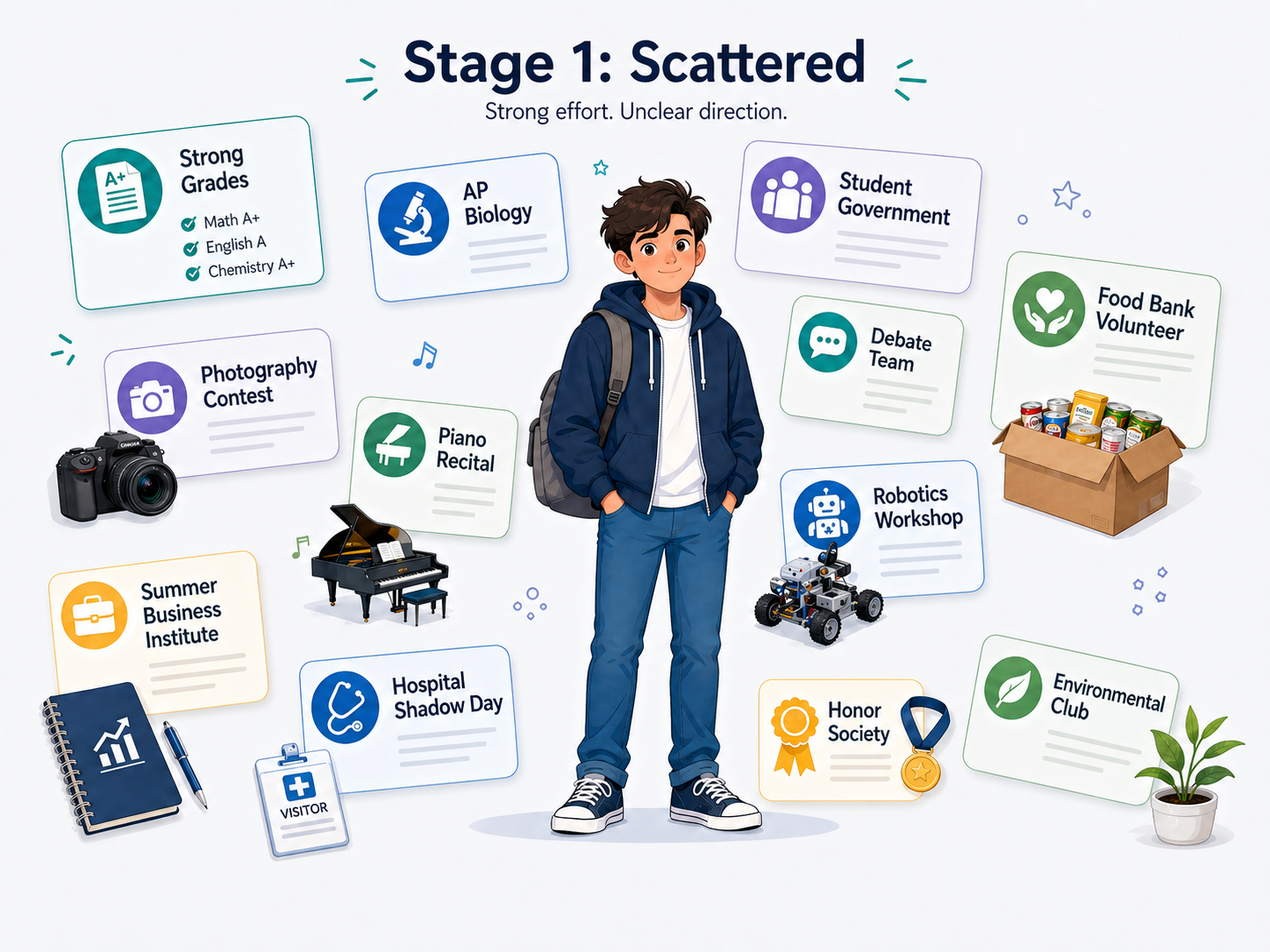
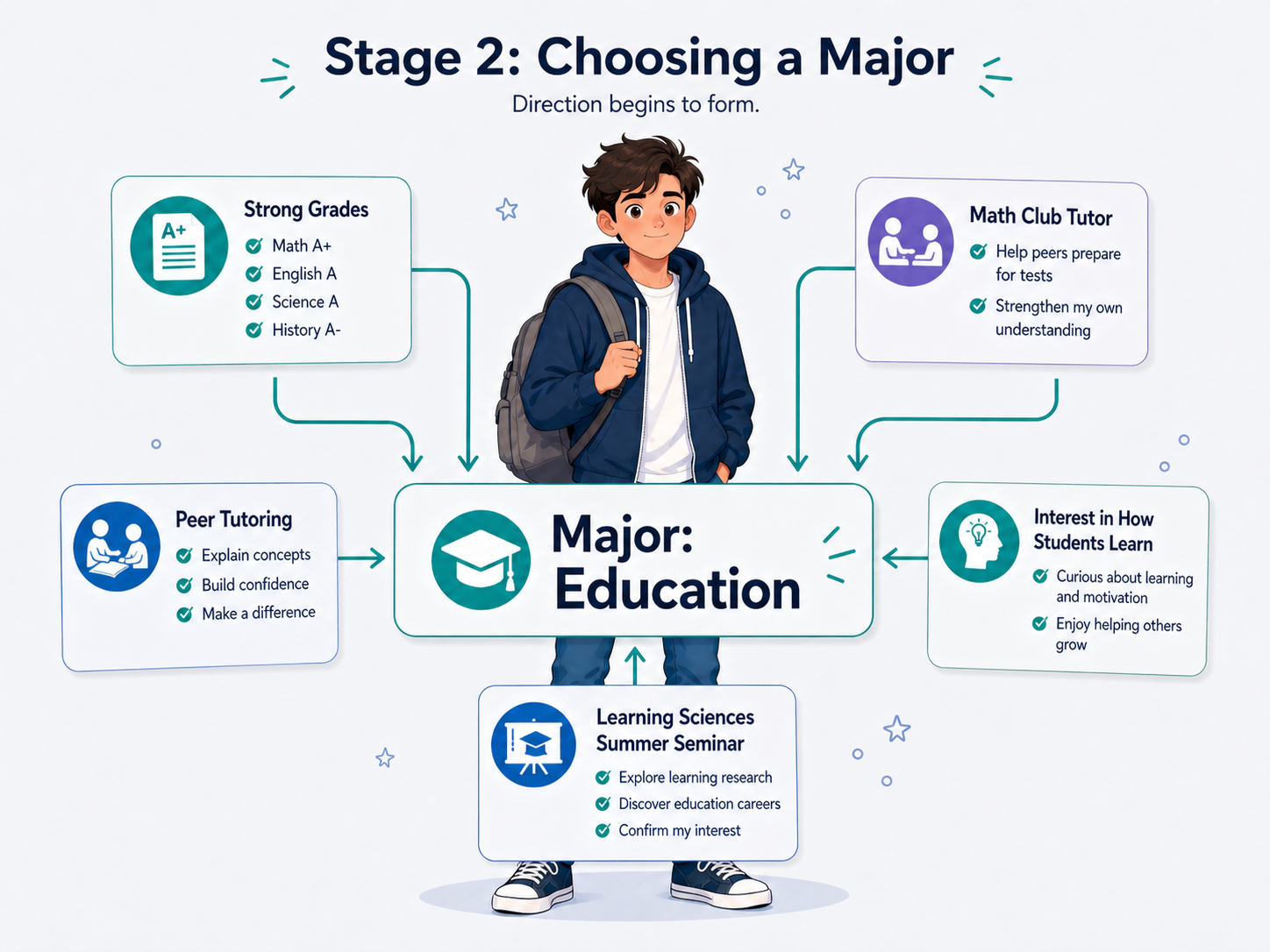
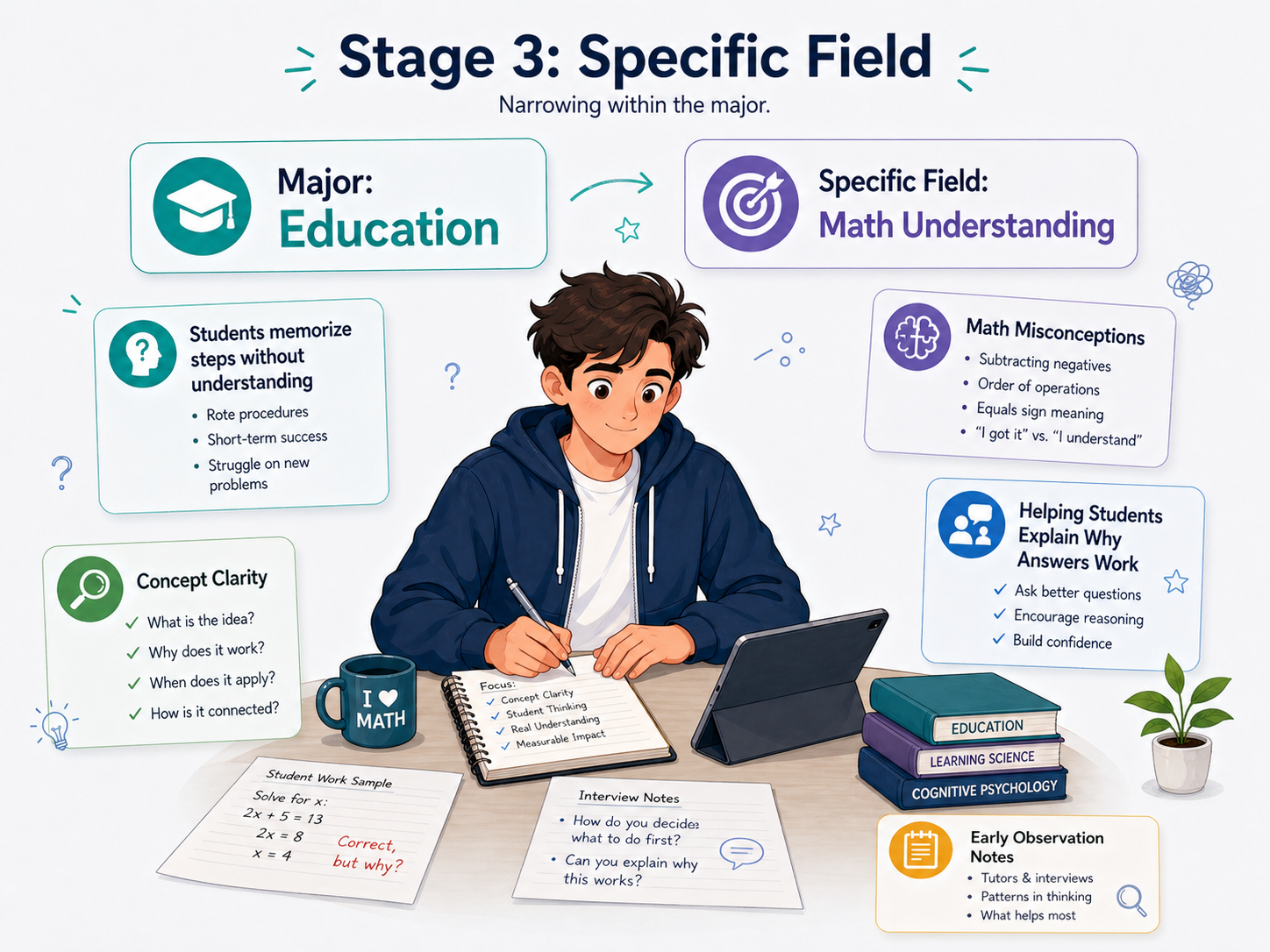
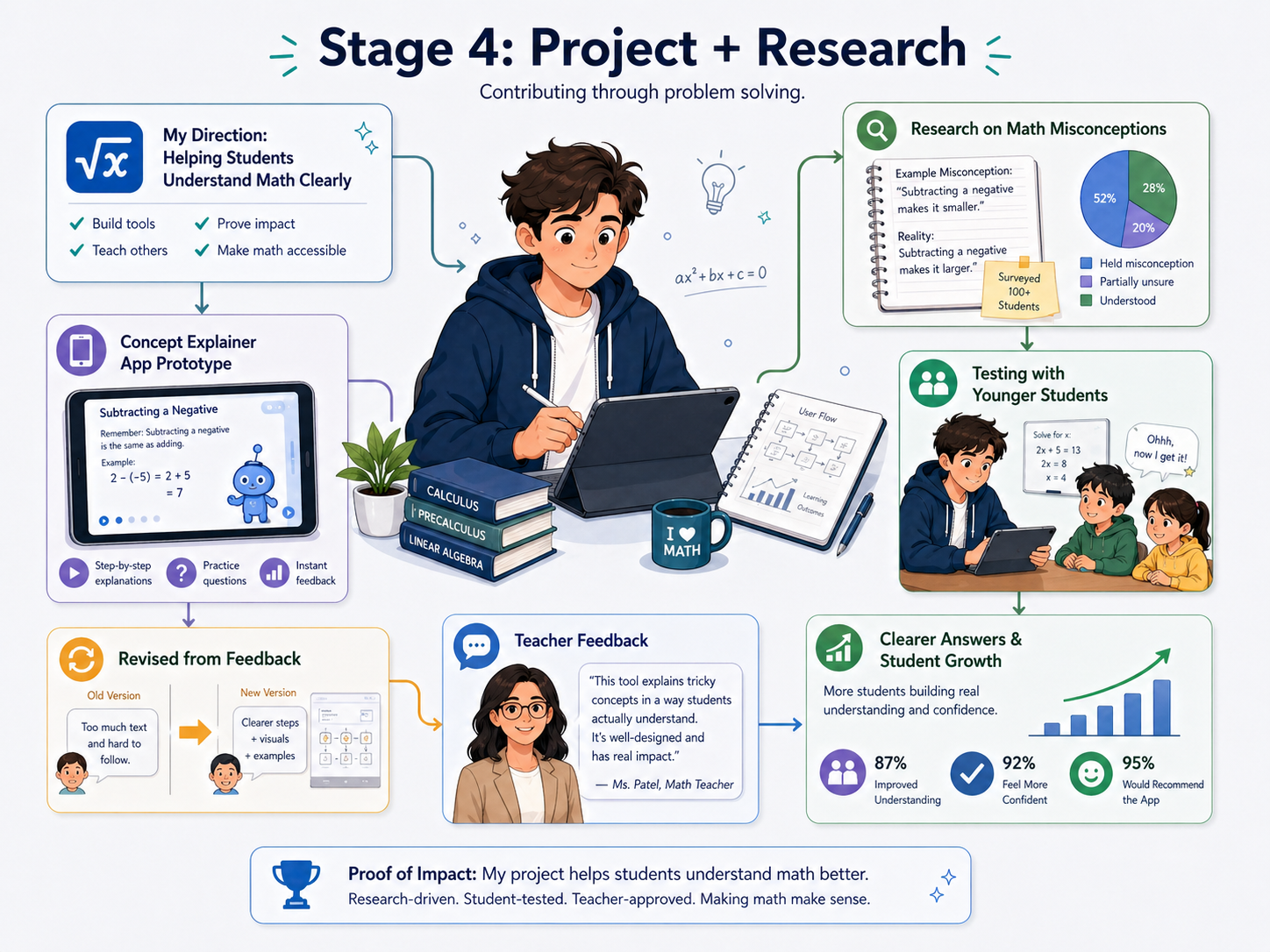
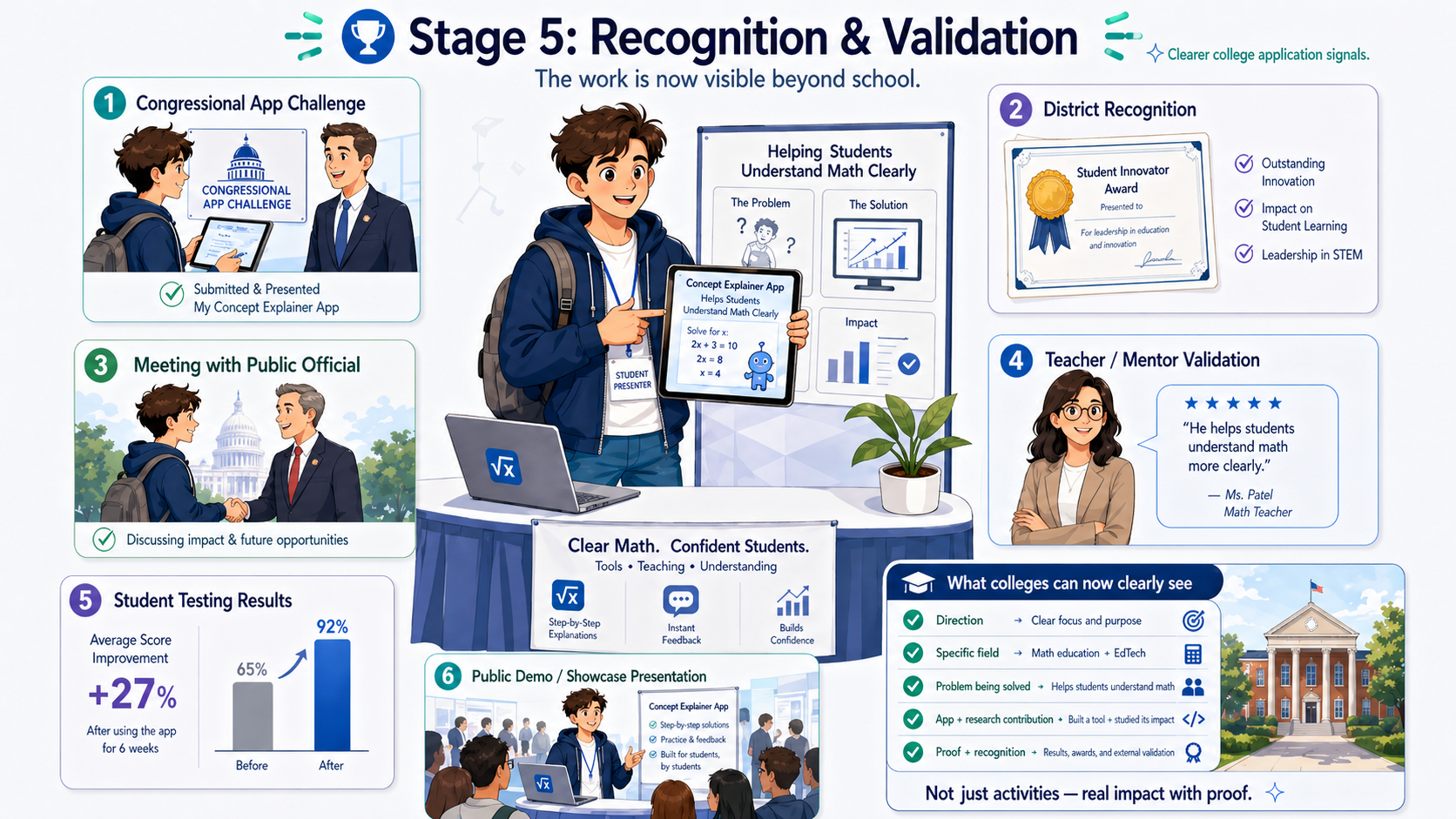
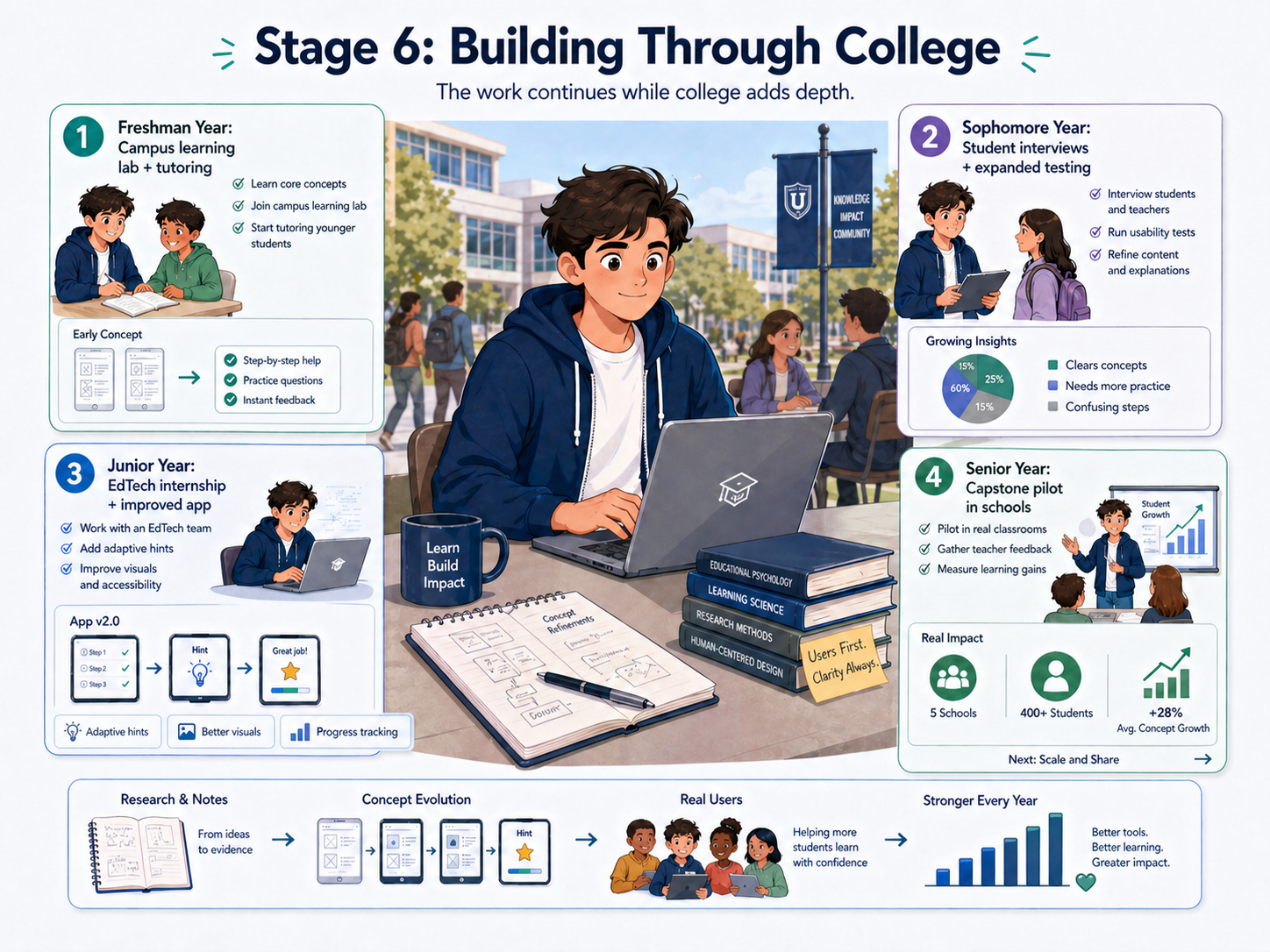
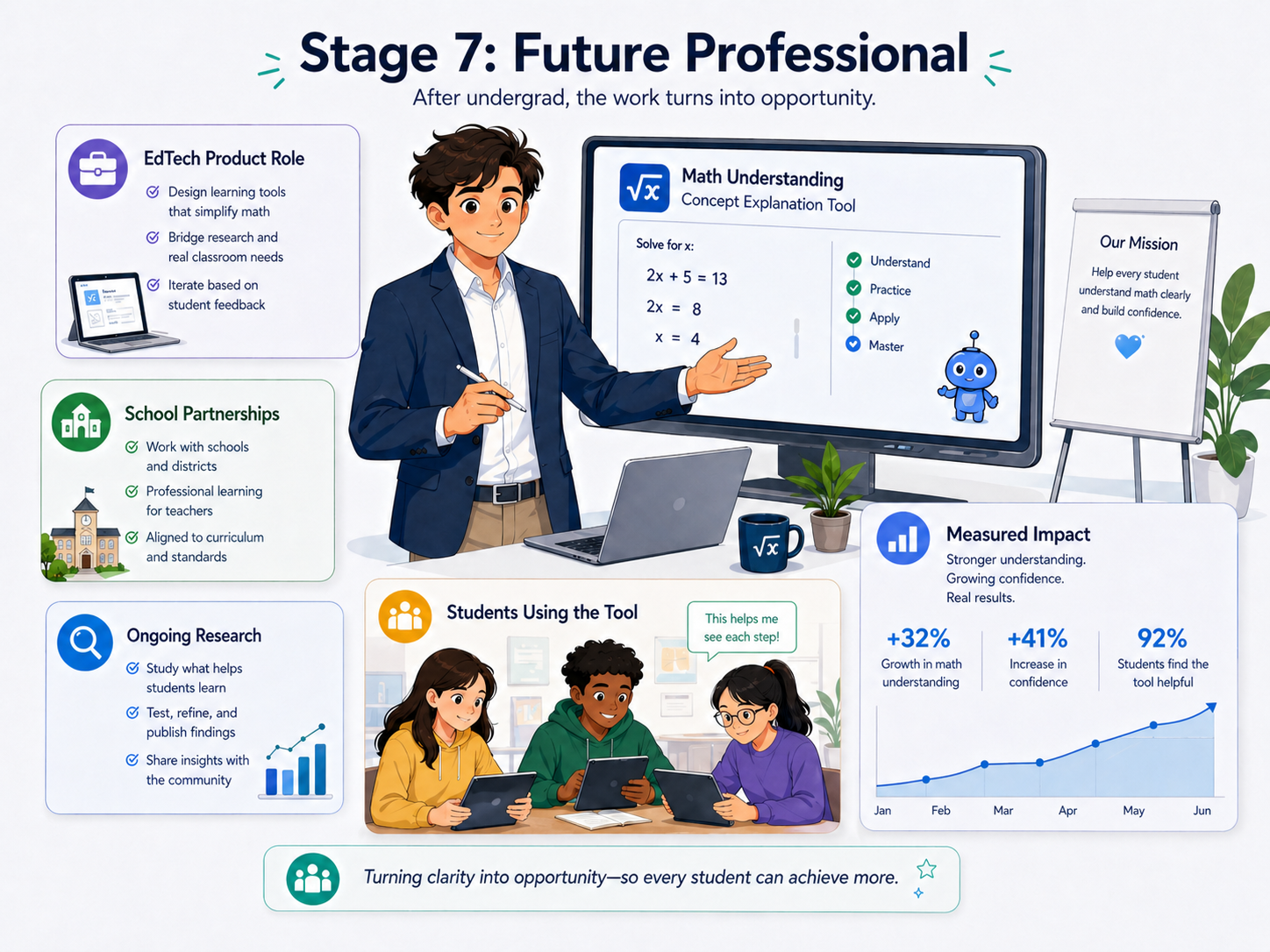
Scattered Achievement
Strong grades and activities, but no clear thread.
Scattered achievement becomes direction.
Direction becomes experience.
Experience becomes proof.
Proof becomes recognition.
Recognition creates clarity.
College sharpens the work.
The student becomes a Future Professional in Motion.
The Standard
Your Child's Direction Should Be Impossible to Miss.
When people see your child's work, it should be clear:
They know where they're going.
They know what they're doing.
They understand a real problem.
They are building useful experience.
They are becoming someone others can trust in their field.
When the work is clear, people can follow the student.
When people can follow the student, they can support them.
That is what DiYnamo Labs helps students build.
The Proof
Real Students. Real Work. Real Recognition.
These students are not just showing projects.
They are showing direction, experience, professionalism, recognition, and work that continues beyond the classroom.
The recognition matters.
But the deeper result is that each student became easier to understand through the work they built.
Their work made their direction visible.
David (Xiong Yi)
MathFluent
Math Understanding & Critical Thinking
1st Place — Congressional App Challenge, CA-46 Winner • Accepted to Johns Hopkins University, pursuing Applied Mathematics
David is not just a student who built an app. He is building work around math understanding, critical thinking, and helping students explain why answers are correct. Presented at the U.S. Capitol. App displayed in the Capitol for one year and permanently featured on the official Congressional App Challenge website. Work continues through schools and tutoring environments.
Spencer Htin
NudgeMe
ADHD Learning & Focus Technology
Congressional App Challenge Recognition, CA-40 • Accepted to University of California, Irvine
Spencer is not just showing interest in technology. He is building work connected to learning science, focus support, and student productivity. Recognized by U.S. Congresswoman Young Kim. Work continues into real learning environments.
Daniel Liu
AstroSmith
Astrophysics Habitability Simulation
Top 10 — Congressional App Challenge, CA-47
One of the most competitive districts in the nation. Building an interactive simulator for planetary habitability.
Physics Story Library Team
Little Physics Stories Library
Interactive Physics Education
3rd Place — Congressional App Challenge, CA-45
The most competitive district in the nation. Built an interactive physics storybook platform for younger students.
The Value
Make Their Direction Evident
DiYnamo Labs helps high-achieving students move from scattered achievement to real direction and experience in the field they plan to enter.
Students identify a specific area within their intended field, understand the people affected by a real problem, and build independent work that helps address it.
So when others see their work, the direction is clear.
- Colleges can understand it.
- Mentors can support it.
- Professors can guide it.
- Jobs can recognize it.
- Opportunities can grow from it.
Because the student is not just saying where they want to go.
They are showing they know what they are doing.
The Philosophy
Why People Trust Professionals
People trust true professionals because they make us feel like we are in capable hands.
- They understand the problem.
- They understand the people affected by it.
- They ask the right questions.
- They know what needs to happen next.
- They communicate clearly.
- They follow through.
- They make the experience feel easier because they know what they are doing.
That kind of trust is not created by titles alone. It is built through experience.
DiYnamo Labs helps students begin developing that kind of professionalism early.
- They do not just study a subject. They work on a specific problem inside the field they plan to enter.
- They learn who they are helping.
- They understand the frustration behind the problem.
- They build something useful.
- They test it with real people.
- They improve it from feedback.
- They learn how to explain their work clearly.
That is how a student becomes easier to trust.
Not because they are trying to look impressive. Because their work shows they know what they are doing.
The Approach
College Sharpens the Knowledge. Independent Work Builds the Experience.
College gives students formal education.
It sharpens what they know, exposes them to deeper ideas, and gives them access to professors, peers, labs, clubs, research, internships, and specialized opportunities.
But students also need experience that belongs to them.
They need to build something outside the classroom that connects directly to the field they plan to enter.
DiYnamo Labs helps students begin that independent work in high school. They identify a specific area within their intended field, choose a real problem, and build something useful around it.
That could become an app, program, service, platform, mentorship model, community system, or business.
As they build, test, and improve it, they gain hands-on experience that college alone may not provide.
- They begin to understand the people they are serving.
- They begin to understand the frustration behind the problem.
- They begin to understand what skills they need to sharpen.
- They begin to understand why certain colleges, programs, professors, and opportunities actually fit their future.
So when they enter college, they are not just taking classes and hoping direction appears. They are using college to deepen work already in motion.
Their college education sharpens the knowledge.
Their independent work builds the experience.
Together, they develop the professionalism that makes them clearer, more capable, and easier to trust in their field.
The Process
How Students Move From Effort to Direction
Define the Direction
The student identifies the field they are moving toward, the specific area inside that field, and the problem they want to solve.
Build the Experience
The student develops research, builds an app, program, service, platform, or system, tests it with real users, improves it, and documents what the work shows.
Present the Proof
The student prepares the work for recognition, applications, interviews, presentations, and future opportunities.
Program Timeline
Built With a Timeline. Submitted When Ready.
Students move through a structured development cycle, then prepare for the right recognition opportunities based on when their work is ready.
A strong project submitted at the right time is more valuable than a rushed submission.
Phase 1 — Core Development Cycle
- 1Weeks 1–3
Direction + Research
Focus: Field focus + problem selection
Outcome: Defined problem + research question
- 2Weeks 4–7
Development
Focus: Build functional solution
Outcome: Working application or system
- 3Weeks 8–10
Real-World Application
Focus: User testing + feedback
Outcome: Refined solution with users
- 4Weeks 10–11
Continuation
Focus: Ongoing system development
Outcome: Mentorship or deployment system
- 5Week 12
Presentation
Focus: Script + filming + submission prep
Outcome: Completed demo + submission-ready project
Outcome: A complete, functional, and demonstrated project.
Phase 2 — Competition & Submission Timeline
Students are aligned to the most appropriate competition timeline based on when their project is completed, not forced into fixed deadlines.
| Competition | Opens | Deadline | Notes |
|---|---|---|---|
| Congressional App Challenge | May 2026 | October 2026 | District-based national recognition |
| Diamond Challenge | September 2025 | January 2026 | Team-based entrepreneurship competition |
| Slingshot Challenge | Early 2026 | April–May 2026 | Innovation + global impact |
| Dragon Kim Fellowship | Late Summer 2026 | November 2026 | Leadership + social impact |
| Coolest Projects Showcase | Early 2026 | May 2026 | Public project showcase |
| IgniteCS Expo | Summer 2026 | August 2026 | Computer science presentation |
Congressional App Challenge
- Opens
- May 2026
- Deadline
- October 2026
District-based national recognition
Diamond Challenge
- Opens
- September 2025
- Deadline
- January 2026
Team-based entrepreneurship competition
Slingshot Challenge
- Opens
- Early 2026
- Deadline
- April–May 2026
Innovation + global impact
Dragon Kim Fellowship
- Opens
- Late Summer 2026
- Deadline
- November 2026
Leadership + social impact
Coolest Projects Showcase
- Opens
- Early 2026
- Deadline
- May 2026
Public project showcase
IgniteCS Expo
- Opens
- Summer 2026
- Deadline
- August 2026
Computer science presentation
Recognition depends on the quality and execution of the student’s work and is not guaranteed.
Research & Academic Timeline
Research Development
Question refinement + drafting
Submission Preparation
Editing + submission
Science Fair Pathway
ISEF-aligned preparation
Entrepreneurship & Implementation Timeline
Project Launch
Platform/app release
Startup Structuring
Branding + positioning
Community Implementation
Real-world use + mentorship systems
Program Standard
The bar every student is built toward.
Each student is expected to demonstrate work that is clear, functional, tested, and useful.
- Clearly defined problem within their field
- Research-driven approach
- Functional solution
- Real user interaction
- Continued use beyond initial development
- Measurable or observable proof of impact
If a project is not used, it is not considered complete.
Recognition Pathways
Where the work goes when it’s ready.
Students are guided toward opportunities where their work can be evaluated, shared, and recognized.
Competitions
Congressional App Challenge, Diamond Challenge, Slingshot Challenge, NASA innovation programs, and Presidential AI Challenge if eligible.
Research Recognition
Science fairs, ISEF-aligned preparation, publications, and presentations.
Public Showcases
School features, media exposure, public demos, and community showcases.
Real-World Validation
Adoption, user engagement, testimonials, measurable outcomes, and continued use.
Recognition is prepared for, not promised. The student’s work must be strong enough to be evaluated.
Program
What the Program Includes
The strategy call helps determine whether your child is ready for this level of development and which parts of the pathway need the most focus.
Phase 01
Project Strategy & Framework Development
Identifying the student's intended field, narrowing into a specific area, selecting a real problem, forming the research question, and turning the idea into a clear project framework, contribution model, feature plan, and development roadmap.
Phase 02
Application / System Development Guidance
Supporting the build of a functional app, platform, tool, or system connected to the student's field, problem, and contribution model.
Phase 03
Competition & Recognition Preparation
Preparing for aligned recognition opportunities such as the Congressional App Challenge, showcases, research pathways, and public presentations. This also includes real-world testing, refinement, continuation planning, and positioning the work for use by schools, tutoring groups, community users, or relevant audiences.
Phase 04
Script Writing, Demo, Filmed Presentation & IP Guidance
Helping the student clearly explain the problem, solution, research, impact, and direction through a polished demo, script, and filmed presentation. This also includes guidance around copyright, trademark, patent awareness, naming, ownership, and protecting original work.
The program is not built around a single deliverable. Each component helps the student build direction, contribution, proof, recognition, and work they can carry into college and beyond.
For Parents
College Is Not the Finish Line
Parents do not only want their child to be accepted.
They want their child to be prepared for what comes after acceptance.
DiYnamo Labs helps students enter college with direction already forming, work already in motion, and proof they are becoming someone others can trust in their field.
That means your child is not waiting for college to give them direction.
They are using college to sharpen work they already understand.
Next Step
Start With a Strategy Call
Let's look at your child's current grades, activities, interests, and direction to see whether their work is pointing somewhere clear.
If your child is doing a lot but their direction is unclear, the next step is a strategy call.
Program investment and fit are discussed during the strategy call.
Common Questions